
27 ways to reduce dust in your house and keep it away
Contact COIT for a professional cleaning!
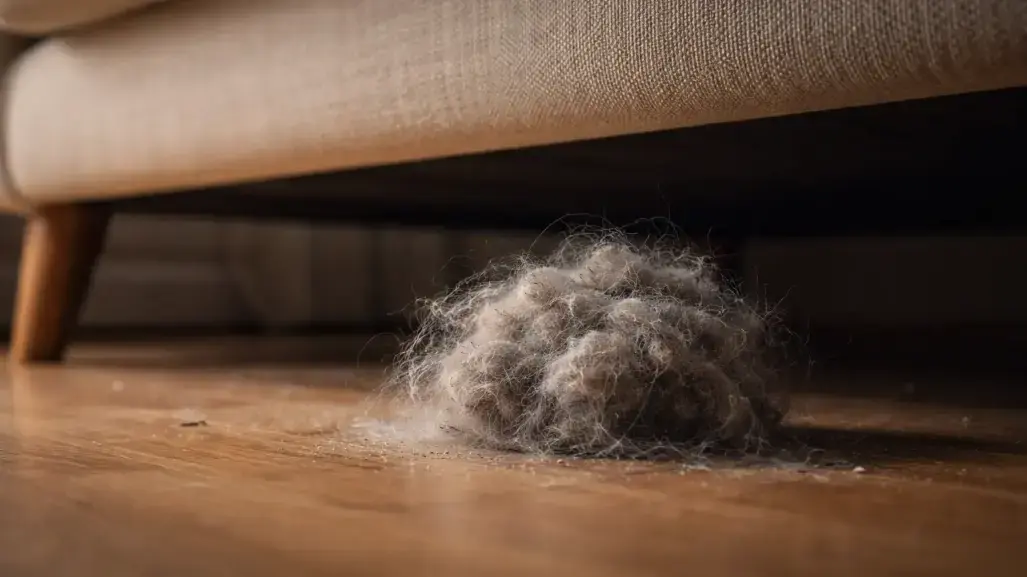
Dust shows up fast.
You wipe a shelf, turn around, and the fine gray film is back again. It lands on furniture, floors, electronics, bedding, and every surface in between. It irritates allergies, lowers indoor air quality, and makes your home feel dull and dirty.
You don’t need to fight it every day. With the right habits, tools, and long-term fixes, you slow dust before it settles and keep your home cleaner for longer.
In this guide, we explain why dust builds up, where it hides, and what steps help you control it. We also share expert tips from decades of cleaning homes across the country.
Why Your Home Gets Dusty
Dust comes from many sources. Some of it starts inside your home, some blows in from outside, and some settles when you sleep, move, cook, or sit on furniture.
Common sources include:
• Skin cells
• Textile fibers from bedding, couches, and clothing
• Pet dander
• Pollen and outdoor debris
• HVAC systems
• Shoes
• Construction or renovation dust
• Old carpet backing and padding
• Gaps around windows and doors
Start With These Fast Fixes
These steps make an immediate difference to help reduce dust in your house:
• Use a vacuum with a HEPA filter
• Dust with microfiber cloths
• Wash bedding weekly
• Replace HVAC filters on schedule
• Shake rugs and mats outdoors
• Groom pets outdoors
• Close windows on windy days
• Run an air purifier with a HEPA filter
• Control humidity below 50 percent
Clean Smarter, Not Harder
1. Dust from Top to Bottom
Dust falls as you clean, so you need to start high and move low. This keeps you from spreading dust across the home and repeating steps.
Follow this order when you’re dusting your home:
- Ceiling fans
- Light fixtures
- Crown molding
- Shelves
- Furniture
- Baseboards
- Floors
2. Use Microfiber Cloths Only
Microfiber picks up dust and traps it. Using old shirts or feather dusters to dust just pushes the dust around and lifts it back into the air, so you should use a clean, dry microfiber cloth for general dusting. For sticky dust, lightly dampen the cloth with warm water.
Wash your microfiber cloths right after use, but skip fabric softener because it coats the fibers and stops them from gripping dust.
3. Vacuum With a HEPA Filter
If your vacuum doesn’t use a HEPA filter, it blows fine particles back into the air. A true HEPA system traps small particles that trigger allergies and asthma.
Vacuum these areas often and move your furniture to vacuum if possible:
• Carpets
• Area rugs
• Stairs
• Under beds
• Under couches
• Upholstery
• Air vents
• Hard floors (yes, vacuum them too)
4. Vacuum Frequency
We recommend:
• High-traffic rooms: two to three times a week
• Bedrooms: once or twice a week
• Hard floors: once a week
• Upholstery: once a week
• Carpets: at least weekly
If you have pets, increase these schedules.
Keep Dust Out Before It Enters
5. Use Two Doormats
Place one mat outside and one inside each entrance to catch dirt, pollen, and sand before it spreads into the home. Shake your mats outdoors each week.
6. Remove Shoes at the Door
Shoes track in dust, grit, pet waste, pollen, and debris, but with one simple habit, you can reduce most of the dirt that settles on floors and carpets.
7. Keep Your Windows Closed on Windy Days
Outdoor dust blows in fast, and if you live near a dirt road, a construction zone, or a high-traffic street, keeping your windows closed makes an even bigger difference.
8. Seal Cracks Around Windows and Doors
Small gaps pull dust indoors, so you should always caulk and weatherstrip these areas:
• Window frames
• Door frames
• Sliding doors
• Baseboards
• Attic hatches
A small seal helps filter the air you breathe and reduces drafts and energy loss.
Reduce Dust Where You Sleep
Bedrooms collect more dust than any other room. You spend hours shedding skin cells and moving bedding, and dust mites thrive in warm, humid bedding and feed on skin flakes.
9. Wash Your Bedding Weekly
Wash your sheets, pillowcases, and blankets in hot water each week to remove dust, sweat, and dust mites.
10. Launder Your Pillows and Duvets
You should wash your pillows every three to six months and wash your duvets at least twice a year. Use washable covers to reduce buildup.
11. Replace Your Old Mattresses
Older mattresses shed fibers and trap dust, and if your mattress is over eight to ten years old, it holds years of dust and mite debris. It might be time to get a new one!
12. Vacuum Your Mattresses
Use a vacuum with a brush attachment to clean your mattress monthly to remove skin flakes, hair, and fabric fibers.
13. Use Protective Covers
Use zippered encasements for your pillows and mattresses to reduce dust mite exposure and keep mattress fibers from breaking down.
Manage Fabric and Soft Surfaces
Dust collects on anything soft, and couches, curtains, rugs, throws, stuffed toys, and decorative pillows all shed fibers and trap particles.
14. Clean Your Upholstery Weekly
Vacuum your upholstery with a brush attachment, and pay attention to seams, cushions, and creases as these trap the most dust.
15. Wash or Shake Throw Pillows
Wash your pillow covers often. If they aren’t washable, shake them outdoors.
16. Wash Curtains
Wash your curtains every few months. If washable fabric isn’t an option, vacuum the panels from top to bottom.
17. Clean Rugs Outdoors
Shake your rugs outside each week and beat them if possible. This removes deep dust that vacuums can miss.
18. Get Upholstery Professionally Cleaned
At COIT, we deep clean your upholstery with stronger equipment and remove embedded dust, oils, and allergens. If you have pets or kids, your should book a professional cleaning every year.
Contact COIT for a professional cleaning!
Improve Indoor Air Quality
19. Change HVAC Filters on Schedule
A clogged filter spreads dust across the home, so it’s important to replace your filters every one to three months. Hold the filter up to the light. If light doesn’t pass through, it’s time to replace it.
20. Choose the Right MERV Rating
• MERV 8–10: basic dust control
• MERV 11–13: better filtration, good for allergies
• MERV 14+: very strong filtration, may require system compatibility
Pleated filters outperform fiberglass, so we always recommend pleated filters for cleaner indoor air.
21. Clean Supply and Return Vents
Vacuum your vent covers weekly and wipe them with a damp microfiber cloth. Remove the covers and wash them in warm water if they look dusty.
22. Get Your Air Ducts Cleaned
If your ducts hold dust, debris, or pet hair, your system circulates it through your home every time the HVAC runs. If you see dust buildup around vents or smell musty air, it’s time for a duct cleaning.
As professional technicians, we remove dust, debris, and contaminants from your system with specialized equipment that reaches areas homeowners cannot access.
23. Run an Air Purifier
Choose a purifier with a true HEPA filter and place it in a bedroom or living room. Run it daily to help trap floating dust before it settles.
24. Control Humidity
Keep the humidity in your home below 50 percent as dust mites thrive in moisture. Use these tips:
• Run your AC
• Use a dehumidifier
• Ventilate kitchens and bathrooms
• Fix leaks
• Avoid drying clothes indoors
Reduce Pet Dander and Fur
Pets create dust as they shed fur and dander and bring dirt inside.
25. Groom Your Pets Outdoors
Brush your pets outside when weather allows to keep loose hair and dander from settling indoors.
26. Wash Pet Bedding Weekly
Pet beds trap dust, oils, and allergens, so it’s a good idea to wash bedding in hot water each week.
27. Vacuum Daily in Homes With Heavy Shedding
A quick pass over the main walkways will keep any loose fur and dander from spreading through the house. Focus on spots your pets love most, like around beds, couches, and feeding areas.
Reduce Dust in Each Room
Living Room
• Vacuum under couches
• Dust electronics often
• Keep throw blankets washed
• Clean baseboards weekly
• Shake rugs outdoors
Kitchen
• Wipe cabinet tops
• Clean vent hoods
• Sweep daily
• Vacuum hard floors weekly
• Wash curtains or blinds
Bathroom
• Run exhaust fans
• Wash bath mats
• Clean vents
• Wipe shelves weekly
Entryway
• Use two mats
• Store shoes in a closed cabinet
• Sweep or vacuum daily
• Wipe shelving where keys and bags land
Basement
• Use a dehumidifier
• Seal cracks
• Vacuum concrete floors with a HEPA vacuum
• Store items in closed bins, not cardboard boxes
Reduce Dust During Home Projects
Renovations send dust into every corner and fine construction dust settles deep inside carpets and upholstery. Protect your home with these steps:
• Seal off areas with plastic
• Use air purifiers near the work zone
• Close doors
• Cover vents
• Vacuum the work zone each day
• Clean vents after the project
Replace or Update Home Materials
Consider Hard Flooring
Carpet traps dust, so if your allergies are strong or dust buildup is constant, switching to hardwood, tile, or laminate helps.
Replace Your Old Carpet
Old carpet sheds fibers as the backing breaks down. It also holds years of embedded dust. Professional cleaning helps, but at some point replacement is the best option.
Set Up Dust Routines
Dust never disappears, but a smart cleaning routine can slow it down.
Daily clean
• Quick vacuum in high-traffic areas
• Wipe visible dust
• Shake mats
• Sweep hard floors
Weekly clean
• Change bedding
• Vacuum carpets and upholstery
• Clean vents
• Dust top-to-bottom
• Shake rugs outdoors
Monthly clean
• Vacuum mattresses
• Wash curtains
• Dust ceiling fans
• Wash throw blankets
• Clean baseboards
• Replace furnace filters (if needed)
Seasonal clean
• Inspect weatherstripping
• Clean behind refrigerators and stoves
• Move furniture and vacuum underneath
• Deep clean carpets and upholstery
• Schedule air duct cleaning if needed
When to Call COIT
Some dust problems signal deeper issues and might require a professional look:
• Heavy dust on vents
• Musty or stale air
• Constant dust despite cleaning
• Light dust that returns within hours
• Dust buildup after construction
• Strong allergies
• Shedding pets and dander concerns
• Old carpets or upholstery
• Older homes with dusty attics or basements
As expert technicians, we help with:
• Air duct cleaning
• HVAC cleaning
• Carpet cleaning
• Upholstery cleaning
• Dryer vent cleaning
• Tile and grout cleaning
• Post-construction cleaning
We use stronger tools, deeper extraction methods, and years of experience to remove the dust you cannot reach with home cleaning alone.
Final Thoughts
Dust will always exist, but you can control how much settles.
With the right tools, habits, and cleaning schedule, you keep your home fresher, brighter, and easier to maintain. If you face heavy dust or want a deeper clean, we help restore your home to a cleaner, healthier state.
Our team brings decades of experience, advanced equipment, and a commitment to cleaner air and cleaner homes.


