
Monsoon Clean Up Tips for Your Arizona Home
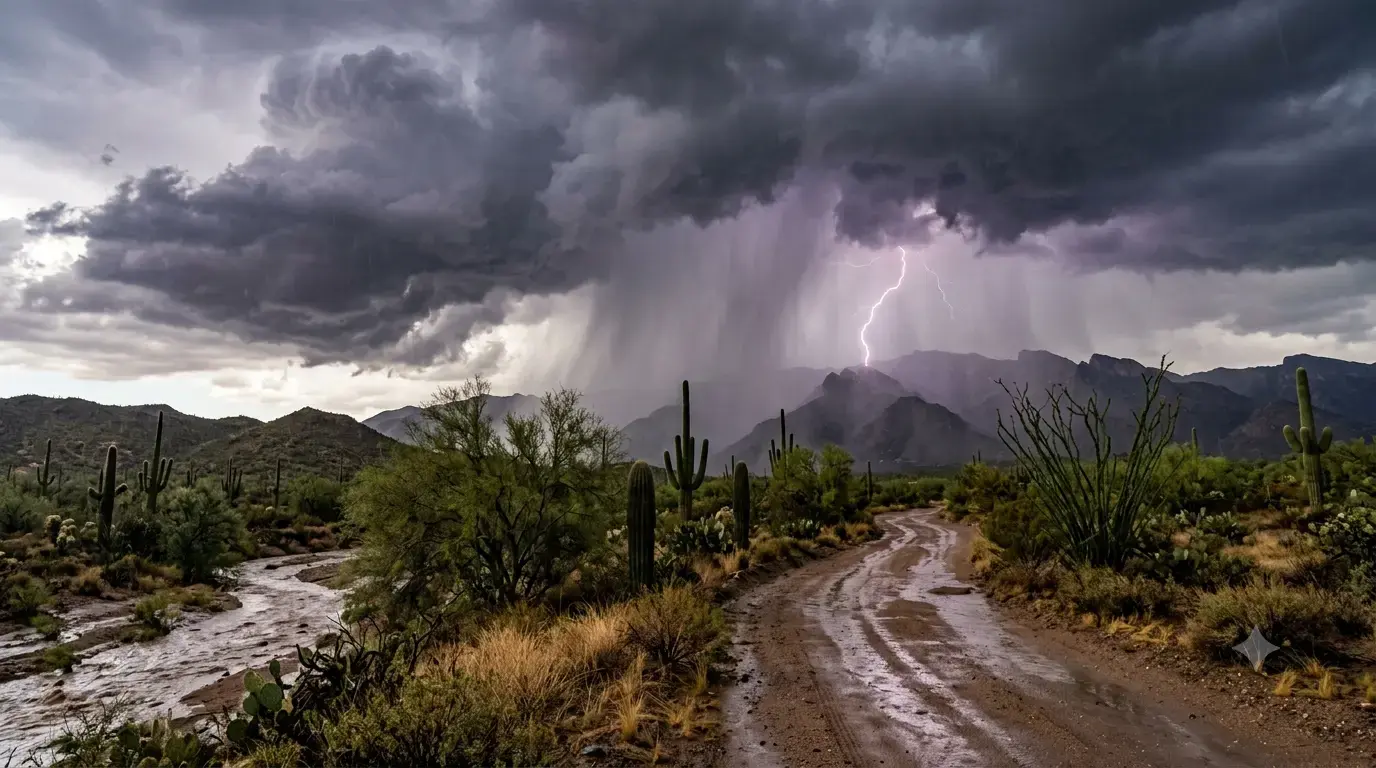
Arizona's monsoon season brings some much-needed rain, but it also creates unique challenges for homeowners.
Heavy downpours, flash flooding, powerful winds, and massive dust storms known as haboobs often leave homes dealing with both water damage and layers of fine dust. Even storms that seem minor from the outside can leave moisture trapped beneath the flooring or dust circulating through your HVAC system.
Knowing what to do during the first 24 to 48 hours after a storm makes a big difference, and acting quickly helps reduce the risk of mold, protects your carpets and furnishings, and keeps your indoor air quality from getting worse.
Below, our COIT cleaning experts share a practical monsoon cleanup checklist to help you recover safely after the Arizona monsoon season.
What Is the North American Monsoon?
The North American Monsoon is a seasonal weather pattern that brings increased moisture into the southwestern United States during the summer, particularly Arizona and New Mexico. Instead of one continuous storm, the monsoon season produces frequent thunderstorms that bring heavy rainfall, lightning, flash flooding, strong winds, and dust storms. According to Arizona State Parks, Arizona's monsoon season officially runs from June 15 through September 30.
Is a Monsoon Just a Hurricane?
No, monsoons and hurricanes are not the same. A hurricane is a powerful tropical cyclone that forms over warm ocean water while a monsoon is a seasonal shift in wind patterns that creates repeated thunderstorms over land. While hurricanes bring widespread damage from one large storm system, Arizona monsoons typically produce localized flooding, dust storms, and heavy rainfall throughout the season.
The First 24 Hours After a Monsoon Matter Most
The first day after a storm is often the most important, and the sooner you remove water and begin drying affected materials, the better your chances of preventing permanent damage.
Safety First
Before entering any flooded area, make sure it’s safe. Watch for downed power lines, unstable ceilings, damaged structures, and contaminated floodwater. Especially in highly concentrated areas like Phoenix.
Avoid Electrical Hazards
Never step into standing water where electrical outlets, appliances, or wiring could be submerged. Turn off electricity to affected areas if it is safe to do so.
Photograph Damage Before Cleanup
Take clear photos and videos of any damaged flooring, furniture, walls, and personal belongings before moving or cleaning anything. Documentation helps if you need to file an insurance claim.
Contact Insurance if Needed
If your home experienced flooding or significant storm damage, contact your insurance provider as soon as possible to understand your coverage and next steps.
Remove Standing Water
Use pumps, wet vacuums, or buckets to remove standing water immediately. The longer water sits, the greater the risk of damage and mold growth.
Move Wet Belongings
Take wet rugs, furniture, cushions, and personal items to a dry area whenever possible. Separate items to improve airflow and speed drying.
Dry Carpets Quickly
Wet carpet after flooding should never be ignored. The Environmental Protection Agency recommends drying wet materials within 24 to 48 hours to reduce the risk of mold growth. Open your windows when weather allows, run fans, and use dehumidifiers to remove excess moisture.
Who Cleans Up After a Storm?
Storm recovery often involves several different professionals depending on the damage.
- Homeowners typically handle light cleaning, removing debris, and documenting damage.
- Insurance-approved restoration companies address major water damage and structural drying.
- Tree service companies remove fallen trees and large branches.
- Local governments repair roads, drainage systems, and other public infrastructure.
Monsoon Cleanup Checklist for Inside Your Home
Use this monsoon cleanup checklist to inspect every part of your home after heavy rain or dust storms.
Wet Carpets
Check every carpeted room for dampness, discoloration, or musty smells. Even if the carpet surface feels dry, moisture often remains trapped underneath.
Upholstery
Inspect your sofas, chairs, and mattresses for water damage and dry them thoroughly before using them again.
Hardwood Floors
Watch for cupping, warping, or swelling. Standing water should be removed immediately to reduce permanent damage.
Tile Floors
Although tile resists water well, moisture often seeps into grout lines or beneath loose tiles.
Walls
Look for bubbling paint, staining, soft drywall, or swollen baseboards. These often indicate hidden moisture inside the wall.
Windows
Clean mud, dirt, and debris from windows and inspect seals for leaks that allowed water inside.
Mud Removal
Remove mud as soon as possible before it hardens. Fine desert sediment can scratch flooring if dragged across surfaces.
Replace HVAC Filters
Dust storms quickly clog HVAC filters, and replacing them improves airflow and helps reduce airborne dust throughout the home.
Watch for Hidden Moisture
Check closets, storage rooms, laundry areas, and areas behind furniture where moisture often remains unnoticed.
When DIY Is Enough vs. When to Call Professionals
Small spills or minor dampness often respond well to fans and dehumidifiers, but if your carpet padding remains wet, professional water extraction becomes important. Moisture trapped beneath carpet frequently leads to unpleasant odors, bacteria, and mold that homeowners can’t always see.
If you're dealing with soaked carpeting, learn more about COIT's professional Carpet Cleaning services.
Don't Forget Your Air Ducts After Dust Storms
One of the biggest differences between Arizona storms and storms in other parts of the country is the amount of dust they leave behind.
A haboob sends enormous amounts of fine dust into homes through doors, windows, attic spaces, and HVAC systems, and once inside, your heating and cooling system circulates those particles throughout your home, affecting indoor air quality long after the storm ends.
Replace your HVAC filter after major dust storms and inspect your vents for any visible buildup.
Professional air duct cleaning might be appropriate if you notice:
- Visible dust blowing from vents
- Musty odors after the storm
- Reduced airflow
- Allergy or asthma symptoms that worsen indoors
The EPA notes that routine air duct cleaning is not necessary for every home, but professional cleaning is recommended when ducts contain visible mold, excessive dust or debris, or contamination following water damage.
If your ducts were heavily impacted during Arizona monsoon season, COIT's Air Duct Cleaning services help remove accumulated dust and improve indoor air quality.
What Is Monsoon Hygiene?
Monsoon hygiene refers to keeping your home's indoor air, surfaces, and moisture levels under control after seasonal storms. It includes drying wet materials quickly, replacing HVAC filters, cleaning dust from surfaces, preventing mold growth, and maintaining healthy indoor air quality throughout the monsoon season.
Prevent Mold Before It Starts
Moisture control is the single most important step in mold prevention after flooding, but unfortunately, mold often develops in places homeowners never think to inspect.
Pay close attention to:
- Carpet padding
- Behind baseboards
- Inside drywall
- Closets with poor airflow
- Bathrooms
- Laundry rooms
Warning signs homeowners commonly overlook include:
- A persistent musty smell
- Peeling paint
- Soft drywall
- Dark spots along baseboards
- Floors that suddenly feel uneven or soft
If you notice any of these signs, further inspection is worthwhile before mold spreads.
Mold Prevention Timeline
0 to 24 Hours
- Remove standing water.
- Begin drying carpets, flooring, and furniture.
- Use fans and dehumidifiers.
- Replace wet towels and rugs.
24 to 48 Hours
- Continue drying hidden areas.
- Inspect carpet padding.
- Check walls and baseboards.
- Monitor for musty odors.
48 Hours and Beyond
If moisture remains after two days, mold growth becomes much more likely. Professional drying and cleaning are often the safest option to prevent larger restoration costs later.
How to Prepare for Monsoon Season in Arizona
Preparation reduces your cleanup later, so before Arizona monsoon season begins, work through this seasonal checklist:
✔ Trim trees and remove dead branches.
✔ Clean gutters and downspouts.
✔ Inspect your roof for loose shingles or damaged flashing.
✔ Seal windows and doors.
✔ Service your HVAC system.
✔ Replace HVAC filters.
✔ Store or secure outdoor furniture.
✔ Assemble an emergency kit with flashlights, batteries, water, and basic supplies.
When It's Time to Call a Professional
Some storm damage goes beyond what homeowners should handle alone, and professional cleaning is recommended if you notice:
- Water-soaked carpet covering large areas
- Persistent musty odors
- Mud tracked throughout the home
- Visible mold growth
- Flooded rooms
- Heavy dust contamination inside HVAC systems
- Allergy symptoms that continue after cleaning
At COIT, our technicians use professional equipment to remove moisture, deep clean carpets, improve indoor air quality, and help restore your home after Arizona storms, and whether you need professional carpet cleaning, air duct cleaning, or guidance following water damage, we're here to help you recover with confidence.
Find your nearest COIT location, schedule a service online, or request a professional inspection if your home experienced flooding, standing water, or lingering odors after monsoon season.


