
How to Clean Air Vents: A Step-by-Step Guide
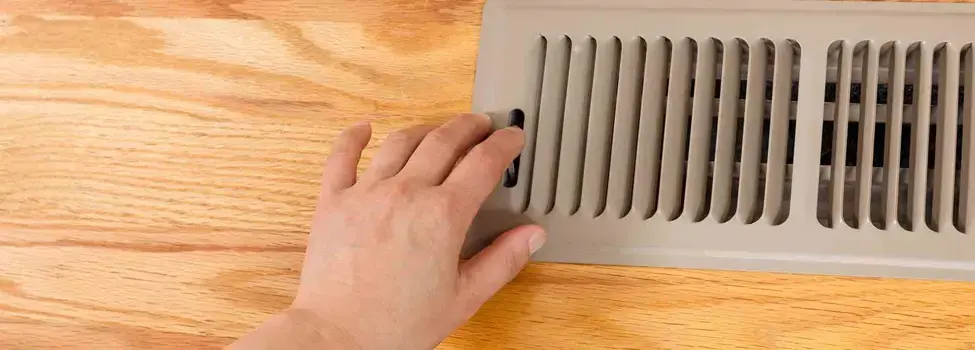
Keeping your air vents clean helps remove the dust, dirt, pet hair, and other debris that collects around registers and inside accessible sections of your ductwork. While homeowners can handle some basic vent and duct cleaning themselves, a DIY cleaning is different from cleaning the entire HVAC system.
If you want to learn how to clean out air ducts yourself, the basic process involves turning off your HVAC system, removing and washing the vent covers, loosening reachable dust, and vacuuming accessible areas with a shop vacuum and long hose. Deeper contamination requires equipment designed to reach areas that household tools cannot.
It is also important to know when duct cleaning is necessary. The U.S. Environmental Protection Agency (EPA) does not recommend routine air duct cleaning and states that duct cleaning has never been shown to prevent health problems. Instead, the EPA recommends considering cleaning when there is substantial visible mold growth, vermin infestation, or excessive dust and debris that is being released into your home.
Below, we'll show you how to clean air vents and accessible ductwork safely, what you should leave alone, and when it makes sense to bring in a professional.
What's the Difference Between Air Vents and Air Ducts?
Air vents and air ducts are part of the same HVAC system, but they are not the same thing.
The vents, also called registers or grilles, are the covers you see on your floors, walls, or ceilings. They allow conditioned air to enter rooms or pull air back into your HVAC system. These covers are easy to remove and clean yourself.
Air ducts are the passages behind those vents that carry heated or cooled air throughout your home. Depending on your system, ducts may be made from rigid sheet metal, fiberglass duct board, or flexible duct.
This distinction matters when you're cleaning, and washing a vent cover and vacuuming just inside the opening is a relatively simple DIY job. Cleaning an entire duct system is more involved because household vacuums and brushes only reach a small portion of the system.
Why Clean Your Air Vents?
Cleaning air vents and air ducts regularly has many benefits that go beyond just a cleaner home. Here’s why staying on top of air vent maintenance is essential:
1. Improves Indoor Air Quality
Cleaning air vents in your house removes accumulated dust, pet hair, and other debris from the vent covers and the areas you can reach. However, cleaning dust from ducts does not automatically mean cleaner indoor air. The EPA notes that studies have not conclusively shown that dirty air ducts increase particle levels inside homes or that duct cleaning prevents health problems.
2. Enhances HVAC System Efficiency
Heavy contamination can restrict airflow in parts of an HVAC system, but ordinary household dust does not necessarily mean your system is operating inefficiently. Keeping registers clear and replacing HVAC filters as recommended helps maintain airflow. If you are experiencing weak airflow, a professional can also check for other causes, like a dirty filter, blocked coil, damaged ductwork, or duct leaks.
3. Lowers Energy Costs
If high energy bills are your main concern, dirty ducts may not be the biggest issue. ENERGY STAR reports that 20% to 30% of the air moving through a typical home's duct system can be lost through leaks, holes, and poorly connected ducts. Checking your system for leaks and other airflow problems may therefore be just as important as cleaning it.
Cleaning also gives you an opportunity to spot damaged, disconnected, or poorly sealed ductwork that may need attention.
4. Supports HVAC Maintenance
Keeping registers clear, changing filters, and addressing heavy contamination are all parts of maintaining an HVAC system. During cleaning, you may also notice moisture, damaged ductwork, pest activity, or other problems that deserve attention before they become more serious.
5. Reduces Odors and Dust in the Home
Dust, pet dander, and, in some cases, microbial growth, can accumulate in air vents, leading to unpleasant smells and visible dust in your home. Cleaning air conditioner vents and other house vents regularly helps eliminate odors and reduces the amount of dust settling on surfaces, making for a fresher, cleaner living space.
By learning how to clean vents properly and making it part of your routine, you’ll improve air quality, energy efficiency, and the longevity of your HVAC system—all with just a bit of regular upkeep.
Do Your Air Ducts Actually Need Cleaning?
A little dust inside your ductwork does not necessarily mean you need a complete air duct cleaning. According to the EPA, you should consider having your ducts cleaned when:
- There is substantial visible mold growth inside hard-surface ducts or other HVAC components.
- Ducts are infested with rodents, insects, or other vermin.
- Ducts are clogged with excessive amounts of dust and debris, and particles are being released into your home through the supply registers.
You may also want to inspect your ducts after major renovations or construction, especially if registers were left uncovered while significant amounts of dust were produced.
If you only see a light layer of dust near a register, cleaning the vent cover and the accessible area behind it may be enough. The first step should be looking inside your ducts rather than assuming the entire system needs cleaning.
Tools and Materials You’ll Need
To clean your air ducts, you'll need:
- Shop Vacuum with a Long Hose: A regular vacuum cleaner can remove surface dust near the opening, but a shop vacuum with a long hose is better suited to pulling loose debris from accessible ductwork., For the best results, you can rent a heavy-duty vacuum from a local home improvement store.
- Vent Cleaning Kit: A specialized kit designed for cleaning air ducts, including various brushes and flexible rods to help you reach deeper into the ducts.
- Microfiber Cloths: These lint-free cloths are perfect for wiping down the interior surfaces of the ducts, trapping dust and debris effectively without leaving residue.
- Scrub Brush: A good long-handled brush with stiff bristles will help you scrub off the dust and dirt from your air ducts. A toilet brush or large paintbrush can work well.
- Screwdriver: Most air duct vents are secured with screws. A standard screwdriver will allow you to easily remove the vent covers for cleaning.
- Duct Tape: Useful for securing vacuum attachments and covering vent openings to prevent dust from blowing out while you clean other sections. Duct tape can also help secure vacuum attachments so they do not become disconnected inside the duct.
- Protective Gear (Gloves, Mask, Goggles): Protect your eyes, nose, and lungs from dust and debris by wearing gloves, a dust mask, and goggles while cleaning.
- Flashlight: Before cleaning, use a bright flashlight to inspect the duct for excessive debris, moisture, signs of pests, damaged materials, or suspected mold.
Before You Start, Know What Type of Air Ducts You Have
How you clean your ducts depends partly on what they are made from. Rigid sheet-metal ducts are more resistant to gentle vacuuming and brushing, while flexible ducts contain a more delicate inner liner that can be damaged by aggressive brushing or sharp tools. Fiberglass duct board and internally insulated ducts also require extra care.
If you can’t identify your duct material, limit your DIY work to cleaning the registers and vacuuming loose debris near accessible openings. Do not cut new access holes into flexible ductwork or aggressively scrub delicate duct materials.
Step-by-Step Guide to Cleaning Air Ducts
Step 1: Turn Off the Power
Safety first! Make sure to turn off the power to your heating and air-conditioning system.
Step 2: Remove and Clean Vent Covers
Unscrew your air vents and give them a thorough brushing to remove dirt and dust. If they're particularly dirty, wash them with warm water and soap. Set the screws aside somewhere safe. If you wash your vent covers with soap and water, let them dry completely before reinstalling them.
Step 3: Inspect Inside the Air Duct
Before you start brushing or vacuuming, use a flashlight to look inside each accessible duct.
A small amount of ordinary household dust is normal. Stop and consider professional help if you see suspected mold, evidence of rodents or insects, standing water, wet insulation, damaged ductwork, or a large amount of contamination extending beyond the area you can safely reach.
This inspection also helps you determine whether you need to clean the duct at all or whether cleaning the register is enough.
Step 4: Loosen Dust in Ducts
Use a long scrub brush to clean along the air duct walls, loosening dirt and dust. Reach as far as you can; a long-handled brush is helpful for hard-to-reach places. Work gently, especially if you have flexible or internally lined ducts. The goal is to loosen accessible dust and debris, not to force a brush deep into the system or damage the duct material.
Step 5: Vacuum the Ducts
Use the shop vacuum with attachments to vacuum along the vent walls and in all nooks and crannies you can reach. A heavy-duty vacuum will be more effective than a regular home vacuum. Start near the opening and work the hose slowly into the accessible section of the duct. Secure removable vacuum attachments before inserting them so they cannot come loose inside the ductwork.
Remember that even a long shop-vac hose only reaches part of a residential duct system. Do not force the hose around sharp bends or into areas you cannot see.
Step 6: Wipe Down the Ducts
Use a damp microfiber cloth to clean along the vent walls where you can reach for a thorough clean. Attach the cloth to a longer handle if needed. Do not use this method on fiberglass or other porous HVAC materials. The EPA advises against steam cleaning or other methods that introduce moisture into ductwork. Wet or moldy fiberglass duct material should be replaced rather than cleaned.
Step 7: Clean the Return Air Vents
Do not forget your return vents. These larger vents pull indoor air back toward the HVAC system and can collect significant amounts of dust, pet hair, and debris.
Remove and clean the return grille, then vacuum loose debris around the accessible opening. Avoid pushing dirt farther into the return duct while you work.
Step 8: Check Your HVAC Filter
Check the HVAC filter before putting everything back together. Replace it if it is dirty or if it has reached the replacement interval recommended by the filter or HVAC manufacturer. Make sure the filter fits properly in its holder. Gaps around the filter allow air and particles to bypass it and enter the HVAC system.
Step 9: Clean Up
Use your vacuum and household cleaning items to clean up any dust that might have come out of the vents and onto your floor or carpet. Replace the vent covers. Make sure all washed vent covers are completely dry before reinstalling them. Once every register is back in place and your tools are clear of the system, restore power to the HVAC system.
How Much of Your Air Ducts Can You Clean Yourself?
DIY air duct cleaning works best for vent covers, registers, return grilles, and loose debris within easy reach of the duct openings. It does not provide the same level of access as a professional whole-system cleaning.
Your home's ductwork branches and turns as it travels between rooms and back to the HVAC equipment, and a household brush or shop vacuum cannot reach every section of this network. Professional air duct cleaning uses specialized equipment to loosen contaminants farther inside the system while collecting debris. NADCA's professional cleaning standard calls for continuous negative pressure in the section being cleaned so loosened particles are drawn toward collection equipment rather than released into the home.
This is the main difference between cleaning what you can reach yourself and cleaning an entire HVAC air distribution system.
What Not to Do When Cleaning Air Ducts
Knowing how to clean out air ducts safely also means knowing where DIY cleaning should stop.
Avoid these common mistakes:
- Do not use steam to clean your ductwork.
- Do not pour water or cleaning solutions into your ducts.
- Do not aggressively scrub flexible or fiberglass-lined ducts.
- Do not cut access holes into flexible ductwork.
- Do not reach into areas containing electrical or moving HVAC components.
- Do not try to clean extensive suspected mold growth yourself.
- Do not continue if you find rodent or insect contamination.
- Do not spray disinfectants, fragrances, or other chemicals throughout your ducts without first determining whether the product is approved for your specific duct material and intended use.
If you find moisture, suspected mold, pest contamination, damaged ductwork, or debris well beyond your reach, stop the DIY cleaning and have the system assessed.
When to Call a Professional
Cleaning air ducts yourself can be labor-intensive and may not be as thorough as a professional cleaning.
If you find the process too challenging or want a deeper clean, contact COIT for professional air duct cleaning services.
Professional help is especially useful when contamination extends deep into the duct system or involves more than ordinary household dust.
Consider calling a professional if:
- You see substantial suspected mold growth.
- You find signs of rodents or insects.
- Dust or debris is visibly blowing from your supply registers.
- There is heavy contamination beyond the areas you can reach.
- Your ductwork has been contaminated by major construction or renovation work.
- You find water, wet insulation, or moisture inside the system.
- You have flexible or internally lined ducts that could be damaged by aggressive DIY cleaning.
A complete professional service should address more than the visible vent covers. Professional equipment can place sections of the system under negative pressure while contaminants are loosened and collected, helping keep dislodged debris from spreading into the living space.
Professional equipment also provides containment that household equipment does not. The 2025 NADCA standard requires vacuum collection equipment that exhausts inside a building to use HEPA filtration rated at 99.97% efficiency for 0.3-micron particles.
Task | DIY Cleaning | Professional Cleaning |
Wash vent covers and grilles | Yes | Yes |
Vacuum dust near duct openings | Yes | Yes |
Clean deep inside duct branches | Limited | Yes |
Clean supply and return system | Limited | Yes |
Use negative-pressure equipment | No | Yes |
Address heavy contamination | Limited | Yes |
Suspected mold or pest contamination | Stop and seek help | Professional assessment recommended |
Inspect other HVAC components | Limited | Yes |
How Do Professionals Clean Air Ducts?
Professional air duct cleaning goes beyond inserting a vacuum hose through a vent opening. Depending on the system and its condition, the process might include inspecting HVAC components, creating safe access points, placing sections of the system under negative pressure, loosening contaminants with specialized tools, and collecting the dislodged material.
Professional cleaning should address the relevant HVAC system components rather than simply vacuuming the visible registers, and if you’re comparing air duct cleaning companies, ask what parts of the system are included, what type of vacuum collection equipment they use, how they maintain negative pressure during cleaning, and how they verify that the system is clean when the job is complete.
How Do You Know Your Air Ducts Are Actually Clean?
Don’t be afraid to ask how the results will be verified. NADCA's professional standard includes an objective Vacuum Test for surface cleanliness. Under the test, a sampled duct surface passes when the net amount of debris collected does not exceed 0.75 milligrams per 100 square centimeters.
The EPA also suggests visually inspecting the system after cleaning. For an accessible cooling coil, one simple check is to shine a flashlight through the coil. If it has been properly cleaned, light should be visible through the other side. Before hiring a company, ask what cleanliness verification is included in the service and whether the results can be documented.
Recommended Cleaning Schedule:
Clean your air ducts every 2-3 years

Maintenance Tips
You do not need to put whole-system duct cleaning on an automatic annual schedule. Instead, focus on preventing excessive contamination and inspecting your system for signs that cleaning is needed.
- Check and replace your HVAC filter according to the filter and equipment manufacturer's recommendations.
- Make sure the filter fits properly so air cannot bypass it around the edges.
- Vacuum registers and return grilles when you see dust accumulating.
- Keep supply and return registers unobstructed.
- Control moisture and address leaks or condensation quickly.
- Cover supply and return registers during dusty renovation or construction work.
- Check accessible ducts periodically for unusual buildup, pests, moisture, or damage.
- Consider professional cleaning when an inspection shows a reason for it rather than relying on a fixed cleaning schedule.
Air Duct Cleaning FAQs
How often should I clean my air ducts?
There is no universal schedule for how often residential air ducts need to be cleaned. The EPA recommends cleaning ducts as needed rather than automatically cleaning them every year. Consider cleaning when an inspection finds substantial mold growth, pest contamination, excessive debris, or particles being released from the ducts into your home.
What should I do if I find mold in my air ducts?
If you suspect mold in your air ducts, it's best to call a professional to handle it safely and effectively. Mold can pose serious health risks, including respiratory issues and allergic reactions, so it's crucial to ensure it is removed properly.
Keep in mind that not every dark spot or stain inside a duct is mold. If fiberglass duct material becomes wet or moldy, EPA guidance recommends removing and replacing the affected material rather than trying to clean it.
How can I tell if my air ducts need cleaning?
Signs that your air ducts need cleaning include visible dust and debris around vent covers, unusual odors, and reduced airflow from your HVAC system. Persistent dust, odors, or airflow changes are reasons to inspect the system, but they can have several causes. Look for visible contamination and consider having the system assessed before assuming duct cleaning is the solution.
Can I use my regular household vacuum to clean air ducts?
A regular household vacuum can remove surface dust around registers and immediately inside accessible openings, but its hose and suction are unlikely to reach much of the duct system. A shop vacuum with a long hose is better suited to removing loose debris from areas you can safely reach.
Neither option provides the access or containment used during professional whole-system cleaning.
What are the benefits of hiring a professional for air duct cleaning?
Professional air duct cleaners have specialized equipment and expertise to thoroughly clean your air ducts, removing more dust and debris than DIY methods. They can also identify potential issues with your HVAC system and provide solutions to improve its efficiency.
For more information or to schedule a professional air duct cleaning, contact your local COIT office today!
Cleaning your air conditioning vents and ducts yourself can be a very labor and time intensive project. Add to that the cost of renting specialized equipment and it might not be something you’re willing to take on yourself. You may end up deciding it’s Pro Time, and you’d be better served trusting an independently certified technician to clean your air ducts. If that turns out to be the case, just contact your nearby COIT office and we’ll schedule your professional air duct and vent cleaning right away.
Contact your local COIT air duct crew when you need cleaning beyond the areas you can safely reach yourself.


